



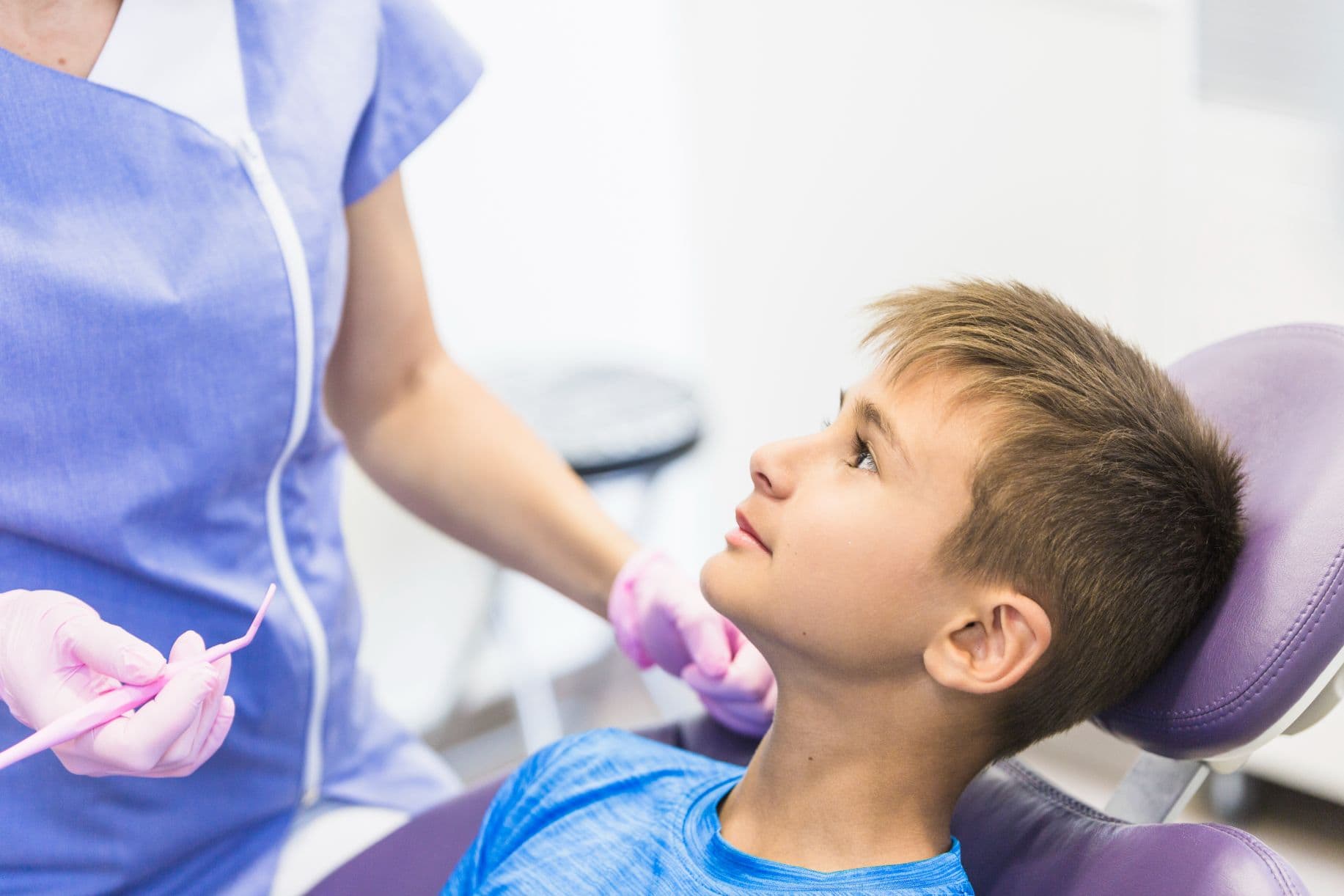
Children today face more pressures than ever before. From academic expectations and social media to changes in their routines and family life, stress and anxiety are becoming common occurrences—even for young kids. While many of us focus on how this affects behavior and mental health, there’s a less‑obvious link: stress and anxiety can significantly impact a child’s oral health.
Understanding how emotional wellbeing can show up in the mouth equips you as a parent to spot early signs, support healthy habits, and work with dental professionals to protect your child’s smile. Let’s explore why stress affects oral health, what signs to watch for, and how you can help your child maintain a healthy mouth.
Why Stress and Anxiety Matter for Oral Health
Stress triggers biological responses in the body—such as elevated cortisol levels and changes in immune function—that extend beyond feeling worried or restless. For children, these responses may show up in their eating habits, sleep patterns, and daily routines. All of these can impact the mouth.
For example, when stress is sustained, children may experience:
- Dry mouth due to reduced saliva production, a key protector of enamel
- Neglect of daily brushing and flossing because of fatigue, distraction or emotional upset
- Teeth grinding (bruxism) or jaw clenching during sleep or waking hours, which wears down enamel and strains jaw joints
- Frequent snacking on sugary or comfort foods instead of balanced meals—triggering decay risk
When you combine these habits with a developing mouth—children’s enamel is thinner, jaws are still forming—the result can be more dental problems than you might expect from “just stress.”
Signs to Watch For in Your Child
Not all signs of stress‑related dental issues are obvious. You may notice behavioral changes that accompany them. Keep an eye on your child for these red flags:
- Persistent dry or “sticky” feeling in the mouth
- Morning complaints of jaw ache, headaches or “my teeth feel funny”
- Sudden increase in cavities or gum issues despite consistent brushing
- Aggressive or frequent thumb‑sucking, nail‑biting, or other comfort habits
- Tooth enamel that appears worn, flattened or chipped
- Changes in eating habits toward more sweets or skipping meals
If you notice several of these signs together, it’s worth discussing them with your child’s dentist and possibly their pediatrician.
How Stress Leads to Dental Problems
Dry Mouth & Weakened Immunity
When stress becomes chronic, hormones like cortisol remain elevated. That can suppress saliva production and weaken the immune system—two key defenses against cavities and gum disease.
Teeth Grinding & Jaw Clenching
Anxiety often manifests physically. Children may wake up grinding their teeth or clenching their jaws without realizing it. These habits can cause enamel wear, micro‑fractures in teeth, jaw pain, and even temporomandibular joint (TMJ) issues.
Poor Oral Hygiene & Snack Habits
Stress disrupts routine. Brushing may become inconsistent, flossing may be skipped, and the mouth becomes a low‑priority area. At the same time, comfort foods and sugary snacks often increase—leading to a high‑risk environment for cavities.
Habit Regression
Children under stress might revert to old habits—such as finger‑sucking, mouth breathing, or nail‑biting—which can compound dental development issues when occurring beyond early childhood.
What Parents Can Do to Support Their Child’s Smile
Helping your child develop resilience and healthy coping habits pays dividends—not just emotionally, but for their oral health too. Here are practical steps you can take:
- Encourage open communication — Ask your child how they’re feeling and what’s on their mind. Stress often shows up behaviorally before verbally.
- Maintain consistent dental hygiene routines — Even when schedules are chaotic, brushing twice a day and flossing remain non‑negotiable.
- Promote regular sleep, hydration, and balanced meals — Good sleep and nutrition support saliva flow, immune strength and dental health.
- Monitor for teeth grinding — If you hear clenching or your child reports jaw soreness, ask your dentist about a night guard or protective measures.
- Limit comfort food reliance — Offer healthy snacks like cheese, fruits and plain water. Keep sugary treats in moderation and with meals.
- Model healthy stress behavior — Children pick up on your habits. Show them how you manage stress in healthy ways (exercise, restful breaks, talking things out).
- Encourage regular dental visits — Early and consistent checkups help the dentist identify and monitor any stress‑related dental changes before they become serious.
When to Talk to the Dentist (or Other Professionals)
If your child is showing these signs, don’t wait:
- Noticeable enamel wear, cracks, or chipped teeth
- Frequent canker sores, dry mouth or gum inflammation
- Persistent jaw or facial pain, or headaches related to sleep
- Significant drop‑off in daily brushing and flossing
- Emotional or behavioral signs of anxiety or stress that go beyond what you’d expect
Your child’s dentist can evaluate for signs of stress‑related dental issues and coordinate with your pediatric provider or therapist if needed. Often, early intervention prevents more intensive treatment later.
Gentle Dental Support for Stress‑Related Oral Issues
At NOLA Pediatric Dentistry, we’re committed to supporting your child’s smile from every angle—including how emotional and physical health intersect. We provide exam and preventive care that considers the whole child, including their habits, stress levels and mouth health.
Here’s how we help:
- Kids‑friendly exam environment focused on comfort and understanding
- Early detection of enamel wear, grinding and other stress‑related dental changes
- Collaboration with parents and providers for holistic care
- Preventive treatments like sealants, night guards and habit guidance
If you’re noticing changes in your child’s behavior or smile, schedule a visit with us. Let’s work together to protect both their oral health and their overall wellbeing.