



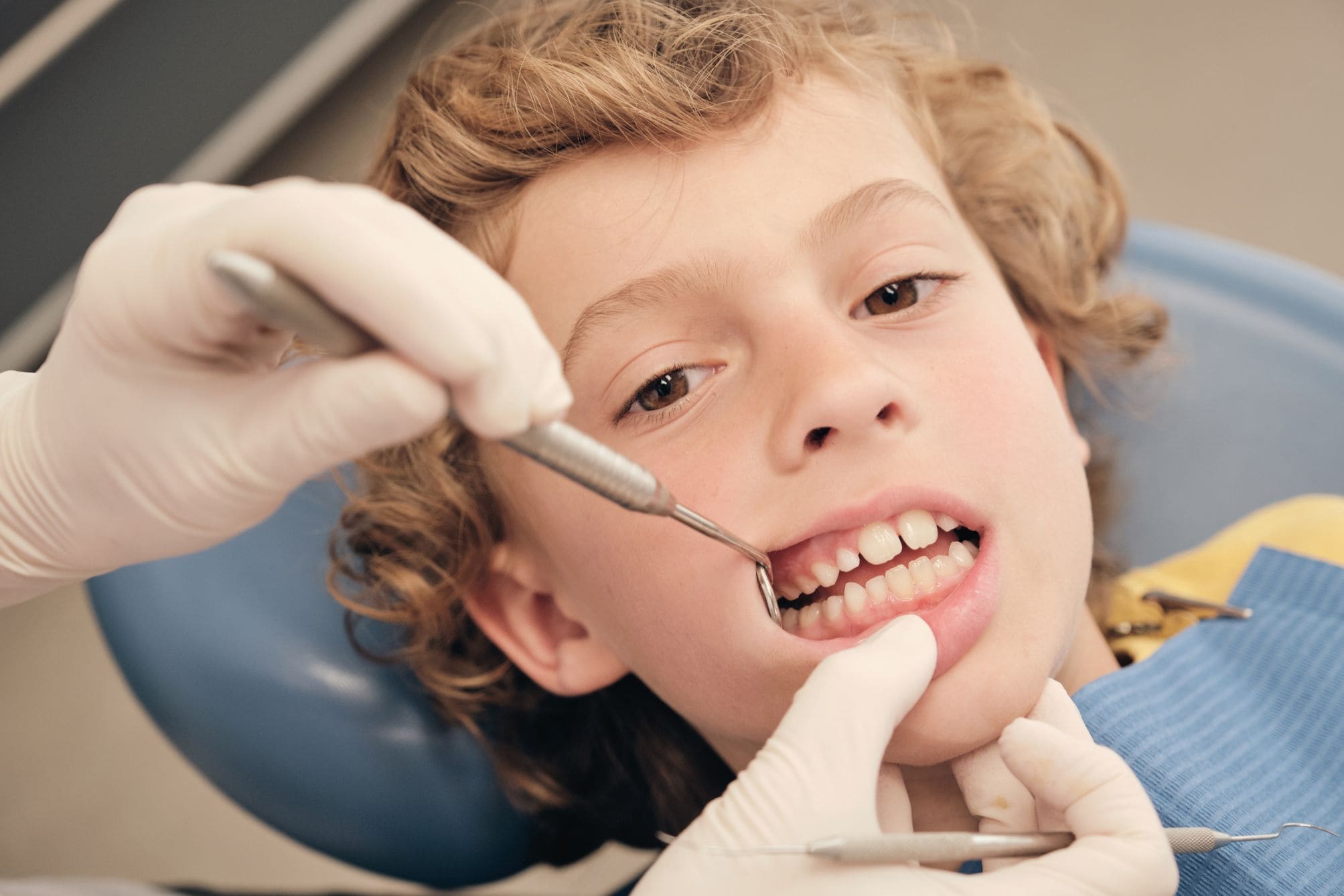
Thumb sucking is a natural reflex for infants and toddlers. It helps them feel secure, self-soothe, and fall asleep more easily. In fact, many children start sucking their thumbs even before they’re born. While it’s perfectly normal in the early years, prolonged thumb sucking can impact your child’s developing teeth and jaw—especially as they grow older.
If you’re a parent wondering when thumb sucking becomes a concern, you’re not alone. It’s one of the most common questions pediatric dentists hear, and understanding the potential risks can help you support your child through a healthy transition away from the habit.
Here’s what you need to know about how thumb sucking affects your child’s teeth—and when it’s time to gently help them stop.
Why Kids Suck Their Thumbs
Thumb sucking is a natural part of development and often begins in infancy. Some babies even suck their thumbs in the womb. For many children, it serves as a form of self-comfort that can reduce stress, help them sleep, and provide a sense of security.
Most children stop on their own between the ages of 2 and 4, especially as they begin to explore other ways to cope with emotions. However, for some kids, the habit persists well beyond this age—and that’s when concerns about oral development can arise.
When Thumb Sucking Becomes a Problem
Thumb sucking becomes problematic when it continues beyond the toddler years, particularly once permanent teeth begin to emerge (usually around age 6). At this stage, the habit can interfere with the alignment of teeth and the growth of oral structures.
Several factors influence how thumb sucking affects the mouth:
- Duration — The longer a child sucks their thumb each day, the more pressure is applied to teeth and jaw
- Frequency — Children who suck their thumbs only during sleep may experience less impact than those who do so constantly
- Intensity — Gentle thumb sucking may have minimal effects, while aggressive sucking can lead to noticeable changes
If your child is still sucking their thumb regularly past age 4 or 5, it’s a good idea to begin encouraging alternatives and discussing the habit with their pediatric dentist.
How Thumb Sucking Can Affect Dental Development
Prolonged thumb sucking can influence both the appearance and function of your child’s teeth and jaw. These effects may include:
- Bite misalignment — When the teeth are pushed out of position, resulting in an open bite or overbite
- Speech difficulties — Improper tongue placement can affect the way your child forms certain sounds
- Narrow palate — Consistent pressure on the roof of the mouth can cause it to narrow, limiting space for permanent teeth
- Jaw development issues — The lower jaw may become recessed due to backward pressure from thumb sucking
- Skin irritation — Repeated thumb sucking can cause chapping, calluses, or infections on the thumb itself
These changes often develop gradually, which is why regular dental checkups are important during your child’s early years. Pediatric dentists can monitor for signs of oral development concerns—even if they aren’t visible yet.
When Should Kids Stop Thumb Sucking?
There’s no single “cut-off” age that applies to every child, but most experts agree that thumb sucking should be addressed if it continues past age 4, and especially before permanent teeth begin erupting.
By this point, the risk of altering dental and jaw development increases. The earlier the habit is broken, the more likely any effects can resolve naturally without needing orthodontic intervention later on.
If your child is still sucking their thumb as they approach kindergarten, consider taking gentle steps to help them break the habit before it leads to long-term issues.
How to Help Your Child Stop Thumb Sucking
Breaking the thumb sucking habit can be a challenge, especially if your child uses it for comfort or stress relief. Patience and consistency are key.
Here are some parent-tested strategies:
- Use positive reinforcement — Praise or small rewards can go a long way when your child avoids thumb sucking
- Identify triggers — Notice when and why your child sucks their thumb (boredom, anxiety, bedtime) and offer alternative comfort techniques
- Offer substitutes — Encourage the use of a soft toy, blanket, or breathing exercises during stressful moments
- Try gentle reminders — Avoid shaming or scolding; instead, offer calm and supportive redirection
- Use barrier methods — Some families try bandages, gloves, or thumb guards to reduce temptation (especially during sleep)
- Create a goal chart — Let your child track their progress visually to build motivation
If your child is struggling to quit or experiencing dental changes, it’s worth speaking with their pediatric dentist for additional guidance or a more structured approach.
Why Dental Monitoring Matters
Regular dental checkups play a critical role in managing thumb sucking and its effects. Even if your child’s teeth look fine on the surface, a pediatric dentist can assess their bite, palate shape, and tooth alignment to catch subtle changes early.
In some cases, children may benefit from myofunctional therapy or a custom dental appliance to help discourage thumb sucking and support proper oral development.
The key is early intervention. The longer the habit persists, the more likely it is to require future orthodontic treatment to correct.
Supportive, Gentle Dental Care for Developing Smiles in New Orleans
At NOLA Pediatric Dentistry, we know that thumb sucking is part of many children’s early development—but we also know when it’s time to help your child move on. Our team provides gentle, judgment-free guidance to support families through every phase of dental growth.
Why families across New Orleans and Madisonville trust us:
- Personalized strategies for breaking thumb sucking habits
- Early identification of bite and jaw development issues
- Preventive care focused on long-term oral health
- Calm, supportive environment for kids and parents
- Collaboration with families for at-home success
If you’re concerned about how thumb sucking may be affecting your child’s smile, schedule a visit today and get expert support in a way that feels easy and encouraging.